Treatment for CRPS (Complex Regional Pain Syndrome)

When rehabilitation, medication and nerve blocks haven’t brought enough relief, our medically supervised chronic pain program may help. Start with a single session, see if you get relief, and go from there. At 8 clinics across Ontario, BC and Quebec.

A person lacing up their shoes on sunny front steps, getting moving again after ketamine therapy

When the pain is far bigger than the injury

Complex regional pain syndrome (CRPS) can turn a fracture, sprain or surgery into pain that’s far worse, and lasts far longer, than the injury itself. Burning pain, swelling and skin so sensitive that even a bedsheet hurts can be hard for others to understand. It’s real, and you don’t have to manage it alone.

Many people find us after rehabilitation, medication or nerve blocks helped only so much. Our chronic pain program gives us another way to help when progress has stalled.

Does this sound like you?

CRPS most often starts after a fracture, the trigger in 44% of cases in one large study, and it’s more than three times as common in women.¹

Pain and sensitivity

Pain far out of proportion to the injury, usually in an arm, hand, leg or foot.

Changes in the limb

Visible and physical changes that often come with the pain.

Whichever sounds like you, you’re not alone, and there are still options to explore.

Two coffee mugs on a rainy windowsill, a quiet moment during ketamine therapy

Who we help

CRPS looks different for everyone. Our team works with people living with:

CRPS after a fracture or surgery. When the pain didn’t settle the way the injury healed.

CRPS you’ve lived with for years. When the pain has become part of every day.

CRPS that has spread. When the pain has moved beyond where it started.

CRPS that’s changed your work and daily life. When using your hand, arm, leg or foot has become hard.

CRPS with low mood or anxiety. When living with constant pain wears down your mood, and the two feed each other.

CRPS after trauma. If you also live with PTSD, we’ll recommend psychedelic-assisted therapy, so a therapist is with you during each session.

Already tried first-line CRPS treatment?

If you’re reading this, you’ve probably tried several of the treatments CRPS guidelines recommend, with rehabilitation at the centre and medication, psychological support and procedures alongside.² Many people who come to us have tried them all and still live with pain most days.

Rehabilitation. Physiotherapy, occupational therapy, graded motor imagery and mirror therapy help many people use the limb again. But it’s hard to keep going when movement itself hurts.

Medication and nerve blocks. Nerve pain medications, anti-inflammatories and nerve blocks help some people, but relief is often partial or short-lived.

Psychological support. Pain education and therapy help many people cope with CRPS. They make a difference, but rarely ease the pain on their own.

If you’ve tried what you were told to try and still hurt most days, it isn’t a failure on your part. CRPS is rare and hard to treat, and guidelines note that strong evidence is limited for most options.² That’s where other options come in.

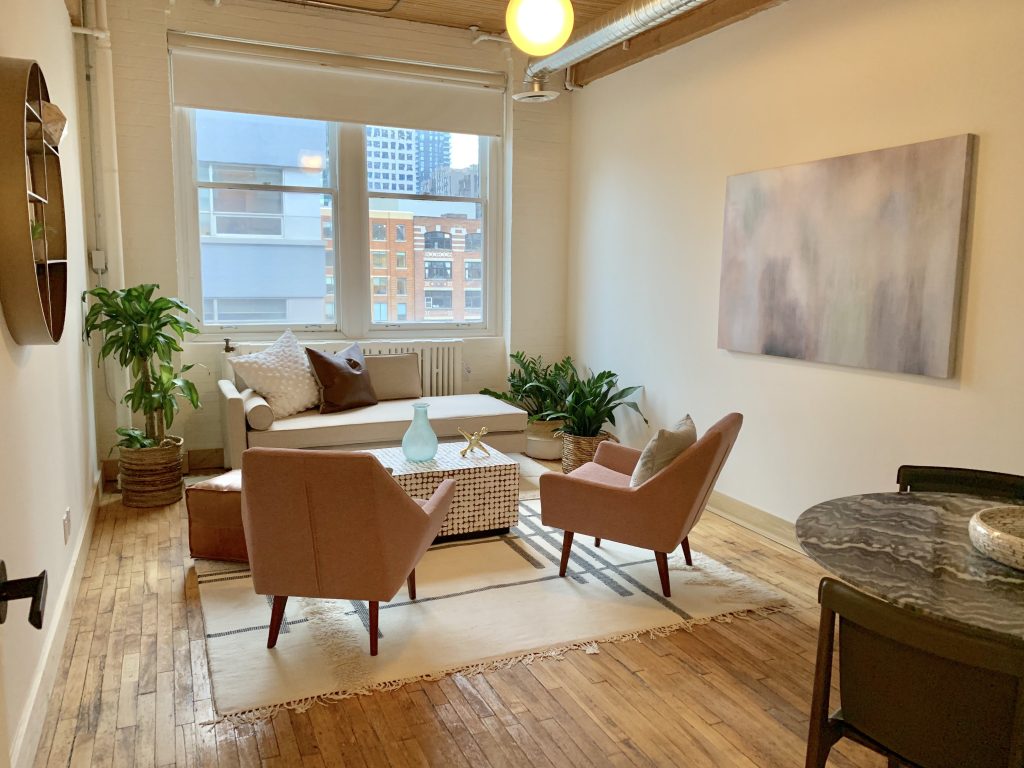
A bright therapy room at Field Trip Health's Toronto clinic for psychedelic and ketamine therapy
Field Trip Vancouver clinic room with a white recliner, yellow armchair and city view, used for ketamine therapy

When other treatments haven't helped: our chronic pain program

Our chronic pain program offers medically supervised sessions with a low dose of a legally prescribed medicine, given in clinic by our nursing team, with Nurse Practitioners and doctors overseeing your care.

CRPS is linked to the nervous system becoming stuck in a state of turning up pain signals. This medicine blocks a receptor called NMDA, which plays a key part in that process. Dr. Mario Nucci began treating chronic pain with this medicine at Thunder Bay Regional Hospital in 2015.

CRPS is one of the most studied uses of this medicine for pain. In a 2009 randomized trial, people with long-standing CRPS who received it over several days had significantly less pain than those given a placebo for weeks afterward, though the effect faded by 12 weeks and didn’t improve function.³ Another 2009 trial, in an outpatient setting, also found significant reductions in pain.⁴ Those trials used multi-day infusions, and our sessions are shorter, so results vary from person to person.

Because it helps some people and not others, we suggest starting with a single session. If you feel relief, we plan what’s next together. If you don’t, you haven’t committed to a full program.

Therapy is optional. If living with pain has worn down your mood, you can add sessions with one of our therapists at any time.

What to expect at Field Trip Health

Every step is planned with you, and you can ask questions at any point.

1

A free discovery call. Talk with our Care Team about your pain and what you’ve tried. No referral needed, though physician referrals are welcome.

2

A medical assessment. Our Medical Team reviews your pain history, medications and health, so your plan is safe for you.

3

Start with a single session. It takes about an hour and a half. Our nursing team gives the medicine, usually as a small injection or a nasal spray, and monitors you in a calm, private room.

4

See how you feel, then decide. If you get relief, we plan what’s next together. Sessions can be weekly or spaced out to every few months, depending on your pain, how you respond and your budget.

5

Therapy if you want it. You can add sessions with one of our therapists at any time, and we check in on your progress along the way.

The bright entrance and reception at Field Trip Health's Vancouver clinic for psychedelic and ketamine therapy

Is the chronic pain program safe?

With careful screening in a medical setting, the medicine is generally considered safe and well tolerated. Before treatment, we review your health history, medications and blood pressure. During each session, our nursing team monitors you.

Side effects are usually mild and short-lived: dizziness, nausea, a dreamlike or detached feeling, or a small rise in blood pressure. Most pass within an hour or two. Plan for someone to take you home, and don’t drive until the next day.

It isn’t right for everyone. Pregnancy, active or recent psychosis or mania, and high blood pressure or heart disease that isn’t well controlled may mean another path is safer. If you also live with PTSD or severe trauma, we’ll recommend psychedelic-assisted therapy instead, so a therapist is with you during each session.

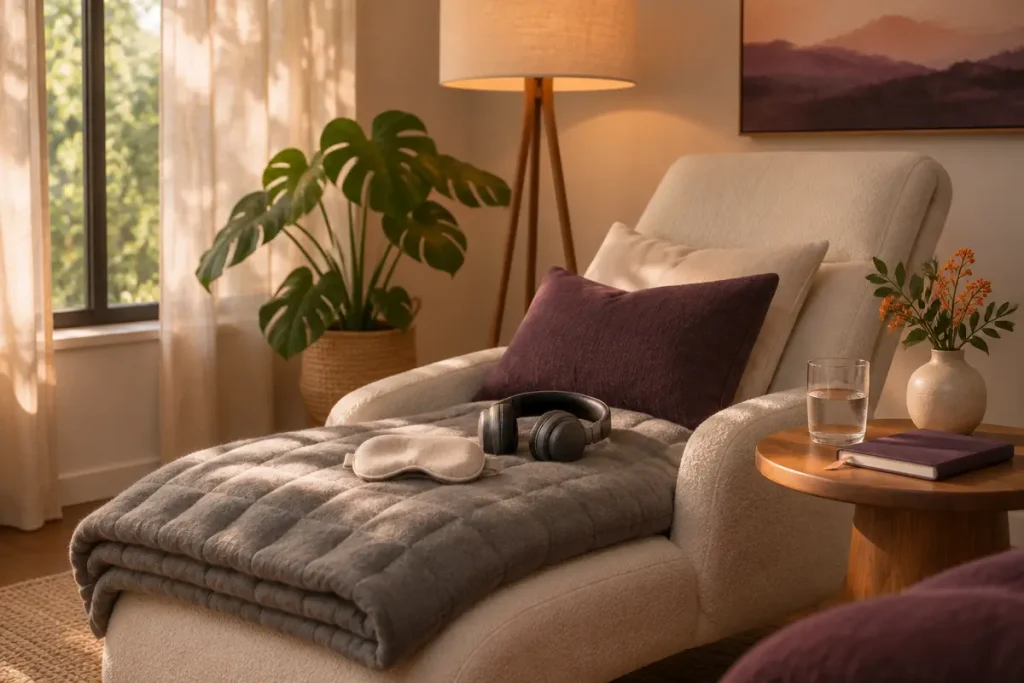
A reclining chair with a weighted blanket, eye mask and headphones in a quiet room for ketamine therapy

Why choose Field Trip Health for CRPS

Care focused on your pain. A program designed for chronic pain, with sessions given by our nursing team and overseen by Nurse Practitioners and doctors.

Rooted in pain medicine. Dr. Mario Nucci began treating chronic pain with this medicine at Thunder Bay Regional Hospital in 2015, and saw many patients’ mental health improve too.

Therapy when you want it. Add sessions with one of our therapists at any time, for the stress, low mood or anxiety that often come with living in pain.

Start with one session. Try a single session and see if you get relief before committing to more. If it helps, sessions can be weekly or spaced out to every few months.

8 clinics. Toronto, Ottawa, Hamilton, Kitchener-Waterloo, Thunder Bay, Sault Ste. Marie, Vancouver and Montreal. Physician referrals are welcome, but not required.

A calm lake at dawn with a blanket on a wooden dock, the quiet that can follow ketamine therapy

Is the chronic pain program right for you?

It may be worth exploring if you:

Have tried rehabilitation, medication or nerve blocks without enough relief

Still live with CRPS pain most days

Are looking for an option to add alongside your current care

Would like to try a single session before committing to more

Our Medical Team looks at every person carefully. The simplest way to find out if it helps your pain is a single session, and we’ll go from there together.

In our clients' words

“

The nursing staff is organized, friendly and knowledgeable. My therapist is empathetic and supportive.

Veronica G.
Google review, Ottawa

“

If you are struggling and conventional therapies have not provided you the relief you seek, do not give up hope. You can become well.

Jodi L.
Google review, Ottawa

“

The staff here are fantastic, tailoring the experience to meet your individual needs.

K Thompson
Google review, Sault Ste. Marie

“

I am absolutely blown away by the opportunity to heal and truly discover myself.

Megan C.
Google review, Sault Ste. Marie

A quiet forest path in the morning, a calm place to ease anxiety alongside ketamine therapy

Frequently asked questions

Do I need a referral for CRPS treatment?

No. Physician referrals are welcome but not required. A free discovery call with our Care Team comes first.

Yes. CRPS is a recognized chronic pain condition. The pain is real, even when it seems far bigger than the injury that started it.

Not exactly. Our chronic pain program uses the same medicine, at a dose and in a setting designed for pain, without a therapist in the room. You can add therapy at any time. If you also live with PTSD or severe trauma, we’ll recommend psychedelic-assisted therapy instead.

Usually not. Keep taking your medications unless your prescriber tells you otherwise, and never stop or change one on your own. We review everything you take first, and we coordinate with your prescriber if anything needs to change.

There’s no way to know in advance, because it helps some people and not others. We suggest starting with a single session. If you feel relief, we plan what’s next together. If you don’t, you haven’t committed to a full program.

It depends on your pain, how you respond and your budget. Some people come weekly at first, and others space sessions out to every few months. We plan the schedule with you.

OHIP, MSP and RAMQ don’t cover the chronic pain program, so check with your extended health plan. Payment plans are available, and you can see program pricing on our chronic pain page.

Please reach out now. Call or text 9-8-8, the Suicide Crisis Helpline, any time. If you’re in immediate danger, call 911 or go to your nearest emergency department. Field Trip Health isn’t an emergency service.

CRPS treatment across Ontario, BC and Quebec

See us in person at our clinics in Toronto, Ottawa, Hamilton, Kitchener-Waterloo, Thunder Bay, Sault Ste. Marie, Vancouver and Montreal.

Want to know more? See our chronic pain program, or book online therapy anywhere in Ontario, BC or Quebec for support living with pain.

Your path forward

Sometimes, it’s the everyday things you miss most. Clothing or a breeze that doesn’t hurt, a full night’s sleep, or using your arm or leg without bracing for pain.

Let’s talk about what you want to get back to.

Start with a free 15-minute discovery call

Speak with our Care Team about your needs, ask questions about treatment and costs, and explore your next steps.

en_CAEN

Start your personalized assisted-psychotherapy journey today.