


Depression: the silent epidemic that affects millions worldwide, casting a dark shadow over lives and leaving many feeling trapped in a seemingly endless cycle of despair. For decades, SSRIs (Selective Serotonin Reuptake Inhibitors) and SNRIs (Serotonin and norepinephrine reuptake inhibitors) have been the go-to solution for many medical practitioners. But what if there was another option? Psychedelic therapy has been making waves in the mental health community. Is legal psychedelic medicine really the depression game-changer everyone’s talking about, or just another overhyped new drug? Let’s find out!
Understanding Selective Serotonin Reuptake Inhibitors
SSRIs have been the go-to antidepressant medications for decades, but it’s crucial to understand their role in depression treatment. As someone who’s worked extensively with both SSRIs and psychedelic therapy, I can provide insights into these traditional antidepressants and how they compare to newer options like psychedelics.
What are SSRIs?
SSRIs, or Selective Serotonin Reuptake Inhibitors, have largely replaced monoamine oxidase inhibitors (MAOIs) as the first-line treatment for depression. They are a class of antidepressant medications commonly prescribed to treat depression, anxiety disorders and other mental health issues. SSRIs increase serotonin levels in the brain, a neurotransmitter associated with mood regulation. Some well-known SSRIs include fluoxetine (Prozac), sertraline (Zoloft), and escitalopram (Lexapro).
While SSRIs have helped many individuals manage their depression symptoms, they’re not a one-size-fits-all solution. Some patients respond well to SSRIs, while others may find little relief or experience intolerable side effects.
How do SSRI antidepressants work?
SSRIs work by blocking the reabsorption (reuptake) of serotonin in the brain, increasing its availability. This mechanism has been thought to be based on the theory that depression is linked to chemical imbalances and low levels of serotonin. By boosting serotonin levels, SSRIs may improve mood and alleviate depressive symptoms.
Furthermore, Brain-derived neurotrophic factor (BDNF) and selective serotonin reuptake inhibitors are closely linked in the context of treating depression and other mood disorders. BDNF levels are often reduced in individuals with depression. Traditional antidepressants like SSRIs, have been shown to increase BDNF levels, which may help alleviate depressive symptoms.
However, it’s important to note that the relationship between serotonin and depression is complex and not fully understood. This is one reason why SSRIs don’t work for everyone, particularly those with treatment-resistant depression.
In contrast, psychedelic therapy works on different neurotransmitter systems, resulting in increased glutamate production that stimulates new neural connections, which is crucial for the rapid antidepressant effects of the medicine. In short, it targets certain brain neurotransmitters which can offer relief when SSRIs fall short.
Effectiveness of SSRIs for depression and common side effects
SSRIs can be effective for many people with depression, but they often require several weeks or even months to show noticeable effects. This delay can be challenging for patients in acute distress. In my practice, I’ve seen patients struggle during this waiting period.
While SSRIs have helped many individuals manage depression, they’re not effective for everyone. Some people experience side effects that can be difficult to tolerate, while others may not see significant improvement in their symptoms.
Common side effects of SSRIs include nausea, sexual dysfunction, weight gain, high blood pressure and sleep disturbances. While these side effects are generally manageable, they can significantly impact quality of life for some patients. Serious side effects include suicidal thoughts, serotonin syndrome (caused by medications that build up high levels of serotonin in the body) and QT prolongation (when the heart muscle takes longer to contract and relax than usual).
Psychedelic therapy, on the other hand, has a different side effect profile. While it may cause short-term dissociative symptoms during treatment, these typically resolve quickly, and long-term side effects appear to be less pervasive than those associated with SSRIs.
Understanding Psychedelic Therapy
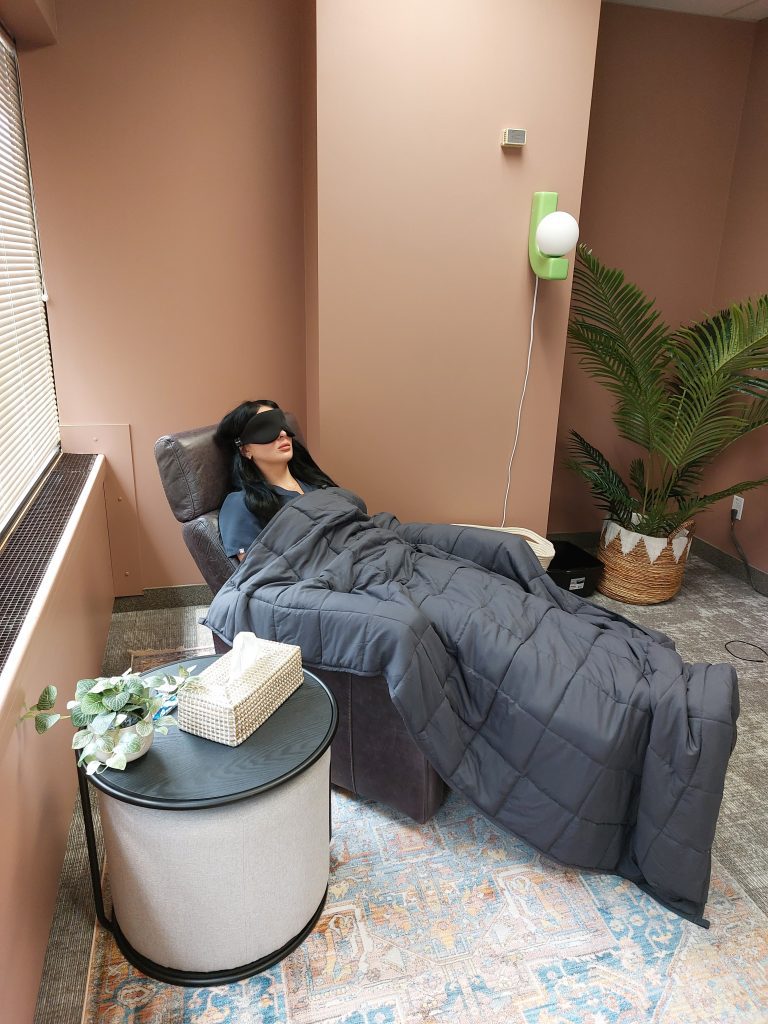
Psychedelic therapy has emerged as a groundbreaking approach to treating depression, especially for those who haven’t found relief with traditional antidepressants.
What psychedelic is legal?
There’s one legal psychedelic in Canada which is a molecule in the arylcyclohexylamines class, originally synthesized in 1962. It’s primarily known as an FDA approved anaesthetic, but over the last two and a half decades it has shown great potential in mental health treatment. What makes psychedelic therapy treatment unique from other drugs is its rapid onset of action. This rapid effect is particularly beneficial for individuals with treatment-resistant depression (TRD) or those in acute distress.
Unlike many other medications, this has an exceptional safety profile. It has minimal impact on breathing and cardiovascular function, making the medicine safe for those with certain medical conditions. This safety aspect, combined with its efficacy, has made it an attractive alternative for patients seeking treatment for depression and other mental health disorders.
How psychedelic therapy works for major depression
Psychedelic therapy for major depression uses sub-anesthetic doses, much lower than those used for its original purpose. These low doses can effectively treat various mental health conditions, including treatment-resistant depression. Its mechanism of action is different from traditional antidepressants, which often target serotonin levels.
Instead, the medicine works on glutamate receptors in the brain, specifically as an NMDA antagonist. This unique approach allows for rapid onset of antidepressant effects, often within hours or days of treatment. It’s particularly promising for those who haven’t responded to conventional treatments, offering hope when other options have failed.
Effectiveness of psychedelic therapy treatment and common side effects
The effectiveness of psychedelic therapy for depression is significant. A 2023 study demonstrated that low dose anesthetic is non-inferior to ECT (electroconvulsive therapy) for treatment-resistant depression, without the cognitive side effects associated with ECT and without the invasive procedural aspect. This is a significant finding, as ECT has long been considered one of the most effective treatments for severe depression and the treatment of last resort for patients.
While psychedelic medicine can cause short-term dissociative symptoms during treatment, these typically resolve quickly. Long-term side effects appear to be less pervasive than those associated with traditional prescription antidepressants.
I’ve observed remarkable results with psychedelic therapy, especially when combined with psychotherapy in cases of treatment-resistant depression.
It’s important to note that the medicine is administered in subanesthetic doses for depression treatment, much lower than those used for anaesthesia. The therapy can be delivered through various routes, including intravenous administration, intramuscular administration, sublingual and nasal spray, with each method having its own benefits and considerations.
Psychedelic Therapy vs SSRIs

When comparing psychedelic therapy and SSRIs for depression treatment, it’s crucial to understand their differences in efficacy, speed of action, and side effects.
Efficacy in treatment-resistant depression
Psychedelic therapy has shown significant efficacy in treating depression symptoms, particularly in cases where traditional antidepressant medications like SSRIs have failed. Many Field Trip Health patients with treatment-resistant depression have found relief through psychedelic therapy when other options seemed exhausted. Clinical trials have consistently demonstrated the ability of psychedelics to rapidly reduce depressive symptoms, even in severe cases.
SSRIs, while effective for many, may not work for everyone. Some patients experience partial relief or no improvement at all. This is where psychedelic therapy can help, offering relief to those who haven’t responded to conventional treatments. The mechanism of action, targeting glutamate receptors rather than serotonin, provides a different approach that can be more effective for certain individuals.
Speed of depression symptoms relief
One of the most striking differences between psychedelic therapy and SSRIs is the speed at which they alleviate symptoms. The rapid acting antidepressant effects of psychedelics often manifest within hours or days after administration. This quick onset can be life-changing for patients struggling with severe depression or suicidal ideation, providing relief when it’s needed most urgently.
In contrast, SSRIs typically require several weeks to months before patients experience significant improvement. This waiting period can be challenging and potentially dangerous for those in acute distress. The rapid onset of psychedelic therapy may offer a faster route to symptom relief and potentially saving lives in critical situations.
Side effects and tolerability
Both psychedelic therapy and SSRIs come with potential side effects, but their profiles differ significantly. SSRIs may cause side effects such as weight gain, sexual dysfunction, and emotional blunting. These can persist throughout treatment and impact quality of life, sometimes leading to discontinuation.
Psychedelic therapy, administered in sub-anesthetic doses, generally has a different side effect profile. Short-term dissociative symptoms during psychedelic therapy treatment are common but typically resolve quickly. Long-term side effects are still being studied, but current data suggests they’re less pervasive than those associated with SSRIs. However, it’s crucial to note that psychedelic therapy requires close monitoring and should be administered by trained healthcare providers in appropriate medical settings.
The Science Behind Psychedelic Therapy
The science behind psychedelic therapy is compelling, especially for those who’ve struggled with conventional depression treatments. I’ve been closely following the research, I can attest to the growing body of evidence supporting psychedelic medicine’s efficacy compared to other antidepressants.
Clinical Trials and Placebo-Controlled Studies
Numerous clinical trials have demonstrated psychedelic medicine’s rapid antidepressant effects. In my experience, the results are often dramatic compared to traditional antidepressants. These studies consistently show that a single sub-anesthetic dose of the medicine can significantly reduce depressive symptoms within hours, an effect that can last for days or even weeks.
Placebo-controlled studies have been particularly revealing. They’ve shown that the antidepressant effects or low dose anesthetics are not just due to expectation or the experience of dissociation. In fact, the antidepressant response often outlasts the acute psychoactive effects, suggesting a fundamental change in brain cells function.
Measuring Depression Severity: Hamilton Rating Scale
The Hamilton Rating Scale for Depression (HRSD) is a crucial tool in assessing depression treatment efficacy. This standardized measure allows researchers and clinicians to quantify changes in depressive symptoms objectively. In molecule-specific studies, we often see significant reductions in HRSD scores within 24 hours of treatment.
What’s particularly exciting is that these improvements are often seen in patients with treatment-resistant depression, who haven’t responded to traditional SSRIs.
Combining Psychedelic Therapy with Psychotherapy
In my experience, the synergy between psychedelic therapy and psychotherapy can be profound. The drug’s rapid antidepressant effects can create a window of opportunity for more effective psychotherapeutic interventions. During this period, patients often find themselves more open and receptive to therapeutic work.
I’ve observed that integrating psychotherapy sessions shortly after psychedelic therapy treatments help patients process their experiences and insights gained during the psychedelic therapy session. This combination can lead to more sustainable improvements in mood and overall mental health.
While legal psychedelics can provide rapid relief from depressive symptoms, maintaining these benefits long-term often requires a comprehensive strategy. In my practice, we typically start with a series of psychedelic therapy treatments, sometimes followed by a maintenance phase with less frequent sessions.
Long-term success may involve a combination of ongoing psychedelic therapy treatments, psychotherapy, and lifestyle modifications. At Field Trip Health, we work closely with patients to develop personalised maintenance strategies that may or may not include booster sessions, continued psychotherapy, and other supportive interventions to help sustain the positive effects of psychedelic-assisted therapy.
Debunking Common Psychedelic Therapy and SSRI Myths
Over the years, I’ve encountered numerous misconceptions about various treatments including psychedelic therapy and SSRIs. It’s crucial to separate fact from fiction to make informed decisions about mental health care.
Myth #1: Legal psychedelics are only a party drugs.
This is a common misconception that overlooks the legitimate medical uses. While legal psychedelics have been misused recreationally, their primarily a powerful anaesthetic and analgesic used in medical settings. In sub-anesthetic doses, they have shown remarkable efficacy in treating depression, especially treatment-resistant cases.
When used for depression treatment, legal psychedelic medicine is administered in controlled medical environments by healthcare providers. The doses used for therapy are much lower than those used recreationally, and the effects are closely monitored. It’s crucial to understand that psychedelic therapy is a serious medical treatment, not a recreational experience.
Myth #2: SSRIs are always the first line of treatment.
While SSRIs are often prescribed as a first-line treatment for depression, they’re not always the best option for everyone. The “one-size-fits-all” approach to depression treatment is outdated. Some patients may benefit more from other treatments or antidepressant medications, lifestyle and behavioural approaches, and psychotherapy as first options.
In my practice, I’ve seen patients who didn’t respond to selective reuptake inhibitors like SSRIs find relief with psychedelic therapy. It’s important to consider each patient’s unique situation, including the severity of their symptoms, previous medical history, and individual preferences when determining the most appropriate treatment approach.
Myth #3: Psychedelic therapy is addictive.
There’s a misconception that psychedelic therapy for depression carries a high risk of addiction. While administration in controlled clinical settings has not been reported to be addictive in clinical trials, it does have potential for misuse when used recreationally. Psychedelic therapy involves infrequent, supervised treatments with careful monitoring. So it’s crucial to distinguish between the controlled use of the medicine in a medical setting and its misuse in recreational contexts.
Our Approach to Psychedelic Therapy

At Field Trip Health, we’ve developed a unique approach to psychedelic therapy that combines the rapid antidepressant effects of the medicine with the lasting benefits of psychotherapy.
What sets our approach apart is the integration of psychotherapy before, during, and after the psychedelic medicine administration. This combination allows our patients to process their experiences and insights gained during the psychedelic therapy session, potentially leading to more profound and lasting improvements in their mental health.
Our psychedelic-assisted psychotherapy program is carefully designed to maximize therapeutic benefits while ensuring patient safety. We use sub-anesthetic doses of a legal psychedelic. Each treatment session is conducted under the close supervision of our trained healthcare providers.
Over the years, we’ve observed significant improvements in many of our patients with MDD (major depressive disorder) and other mood disorders; particularly those with treatment-resistant depression who haven’t found relief with traditional antidepressant medications like SSRIs. Many report rapid reductions in depressive symptoms, increased emotional resilience, positive thoughts and improved overall quality of life.
Field Trip Health also offers alternative treatments for pain management, such as Stellate Ganglion Block therapy, MDMA therapy, Psilocybin therapy, Neurofeedback therapy, and repetitive Transcranial Magnetic Stimulation (rTMS)
About the Author

Dr. Mario Nucci MD CCFP is a licensed Family Physician with a passion for mental health and the development of new therapies. He is actively engaged in research with a faculty associate professorship at Northern Ontario School of Medicine, and research collaborations with the University of Ottawa, University of Calgary, Lakehead University, Concordia University and Vancouver Island University.
Dr. Nucci is the founder of Bay and Algoma Health Centre in 2019, a walk-in and addiction medicine clinic. He founded the Canadian Centre for Psychedelic Healing in 2019, now operating as Field Trip Health, providing cutting edge mental health care in Toronto, Montreal, Vancouver, Ottawa, Hamilton, Kitchener-Waterloo, Thunder Bay, Sault Ste. Marie, and at-home.
 EN
EN  FR
FR