

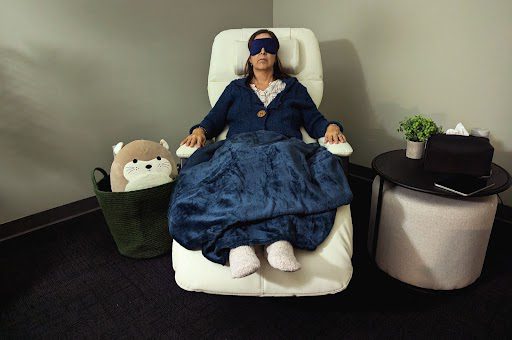
A legal psychedelic – a molecule belonging to the class of arylcyclohexylamines, has seen a remarkable evolution from its initial synthesis in 1962 by Professor Calvin Stevens. As the third iteration in a series of compounds, one compound distinguished itself by becoming a safe and effective anesthetic, known for its unique ability to disconnect the thinking part of the brain from the feeling part. This characteristic, known as dissociation, is why it has been labeled a dissociative anesthetic. Now, we’re seeing a psychedelic renaissance nationwide including the rise of psychedelic therapy in Canada.
Anesthetic Use and Safety Profile of Legal Psychedelics
For over five decades, one legal psychedelic has been a cornerstone in anesthesiology. Its safety profile is exceptional, primarily because it does not significantly impact breathing or cardiovascular function. This makes it particularly valuable in settings where maintaining these functions is crucial. Initially approved for anesthetic use, this psychedelic is now a generic medicine, which means its original patents have expired, reducing the financial incentive for pharmaceutical companies to pursue new regulatory approvals for other uses.
Expanding Horizons with Modern Medicine: Psychedelic Therapy for Mental Health and Chronic Pain Treatment
In the past two decades, the scope of application of psychedelics have expanded dramatically. Low, sub-anesthetic doses have been found effective for treating various mental health conditions, including treatment-resistant depression, anxiety, PTSD, and chronic pain. Research indicates that psychedelics, when combined with psychotherapy, enhances therapeutic outcomes and provides more enduring benefits.
A landmark 2023 study highlighted the efficacy of psychedelics, demonstrating that they are non-inferior to Electro-Convulsive Therapy (ECT) for treatment-resistant depression, without the cognitive side effects associated with ECT. This positions psychedelics as potent alternatives for patients who have not responded to traditional treatments.
Off-Label Use of Psychedelics in Canada
In Canada, low dose psychedelics are officially approved only for anesthetic use. Their application for mental health treatments is considered “off-label.” Despite the lack of formal approval for these uses, clinical trials have consistently shown their effectiveness in mental health and chronic pain management. This gap in regulatory approval is largely due to the expiration of patents, which diminishes the commercial incentive for pharmaceutical companies to invest in the necessary regulatory submissions.
Psychedelic Routes of Administration and Bioavailability
Psychedelics can be administered in various ways, each affecting its bioavailability—the amount of medicine reaching the bloodstream. The routes include:
- Intravenous (IV)
- Intramuscular (IM)
- Subcutaneous
- Intranasal
- Sublingual
- Oral
Intravenous administration offers the highest bioavailability, while oral administration provides the least. Depending on the jurisdiction in Canada, certain routes like intravenous administration may require special regulatory permissions. However, intranasal or sublingual formulations can achieve similar therapeutic effects, inducing a mild dissociative state and improving mental health outcomes.
Medicines as a Psychedelic Treatment in Canada
The rapid and robust effects of psychedelics on mental health have led researchers to categorize it as a psychedelic medicine. It is the only legally available psychedelic that must be prescribed by a healthcare provider. Clinics such as Field Trip Health integrate psychedelics with psychotherapy to maximize its therapeutic potential. Despite the lack of coverage by provincial health insurance plans like OHIP in Ontario and MSP in British Columbia, some private and employer-sponsored health insurance plans in Canada include psychedelic-related treatments.
Legal Access and Benefits of Psychedelics Therapy
One psychedelic is legally accessible and used in Canada for both anesthetic and off-label mental health treatments. Clients across the country benefit from psychedelics-assisted psychotherapy on a daily basis.
Psychedelics therapy is also more cost-effective and sessions are of shorter duration compared to other psychedelics, making it optimal for clinical use. This accessibility and efficiency make psychedelics an attractive option for those seeking alternative treatments for mental health conditions.
Psychedelics-assisted Therapy and Insurance Coverage
Some private insurance plans in Canada cover psychedelics-related treatments, particularly when combined with psychotherapy. Some Veterans have been able to get psychedelic treatments covered for treatment-resistant depression, recognizing the significant mental health challenges faced by this population. For psychedelic-assisted psychotherapies, approximately 50% of the costs are associated with the psychotherapy component, which is often insurance-eligible under many benefits plans. This makes such therapies more accessible to a broader range of patients.
Other Psychedelics in Mental Health: MDMA, Psilocybin, and LSD
There are more than one psychedelic gaining attention for their therapeutic potential. Other substances, such as MDMA, psilocybin, and LSD, are also being researched and used in clinical settings under controlled conditions:
MDMA:
Known for its empathogenic effects, MDMA is currently in Phase 3 clinical trials for the treatment of PTSD. The FDA has granted it Breakthrough Therapy Designation, indicating its potential for significant improvement over existing treatments. MDMA remains illegal in Canada outside of approved clinical trials and research settings.
Psilocybin:
The active compound in magic mushrooms, psilocybin is being studied for its efficacy in treating depression, anxiety, and end-of-life distress. Early trials have shown promising results, leading to its designation as a Breakthrough Therapy by the FDA. Psilocybin remains illegal in Canada outside of approved clinical trials and research settings.
LSD:
Research on LSD for mental health is less advanced but ongoing. Studies suggest potential benefits for anxiety, depression, and addiction, although more research is needed to fully understand its therapeutic potential. LSD remains illegal in Canada outside of approved clinical trials and research settings.
Conclusion
One anesthetic’s journey from anesthetic to a powerful tool in mental health and chronic pain treatment underscores its versatility and therapeutic potential. As research continues to evolve, the role of psychedelics in medicine is likely to expand, offering new hope for patients with challenging mental health conditions. Dr. Mario Nucci’s insights provide a comprehensive overview of the past, present, and promising future of psychedelics in Canada.
For those considering psychedelic therapy, consulting with a healthcare provider and exploring reputable clinics like Field Trip Health can provide valuable guidance and support in navigating this innovative treatment option.
As leaders in the field, we are committed to staying at the forefront of this rapidly evolving industry. This article will be regularly updated to reflect the latest advancements and regulatory changes in psychedelic medicine.
Let our nurses or certified professionals answer any of your questions. Shoot us a message here.
Field Trip Health, operates the largest psychedelic therapy clinic network in Canada with clinics in Toronto, Montreal, Vancouver, Ottawa, Hamilton, Kitchener-Waterloo, Thunder Bay, and Sault Ste. Marie, and an at-home program for those who live more than an hour from the nearest clinic.
 EN
EN  FR
FR