Why psychedelics?
Exploring new possibilities in mental health care
We’re beings that live in our mind and body. Our state of mind plays a huge part in how we think, feel, and interact with the world.
Many people living with depression or anxiety do not experience enough relief from their current treatments, including medication or talk therapy. Some also report feeling emotionally blunted or disconnected while on certain medications.
Psychedelic-assisted approaches are being explored in research and clinical settings as a different type of therapeutic experience. Some individuals in these settings describe increased reflection or emotional awareness, though responses vary widely.
If conventional medications and treatment like antidepressants haven’t provided enough relief for you, you’re not alone.
Research shows that a substantial proportion of people with depression do not experience full relief from conventional treatments.¹
Talk therapy is effective for many people ²
Although progress can be gradual and may take time.
Many people are looking for treatment options that work more quickly or provide longer-lasting support.
Millions of Canadians continue to suffer from depression, anxiety, PTSD, and more.
Understanding the emerging role of psychedelic-assisted therapies.
Mounting research is exploring how psychedelic-assisted approaches may support people living with depression, anxiety, and PTSD.³ Legal substances such as ketamine have been studied for their potential to produce rapid changes in mood and perception for some individuals. Other compounds, including psilocybin, LSD, Ibogaine, and MDMA, are being investigated in clinical research but are not authorized for therapeutic use in Canada outside of approved studies.
HOW DOES IT WORK?
Reconnecting the brain.
Synaptic connections in the brain can be influenced by factors such as stress, trauma, depression, and anxiety. Changes in these connections have been linked in research to challenges with mood, motivation, and emotional regulation.⁴
Emerging studies suggest that certain psychedelic substances, may temporarily alter neural activity in ways that support neuroplasticity — the brain’s ability to form or reorganize connections. These changes have been associated with shifts in perception, emotional processing, and cognitive flexibility for some individuals in research settings.
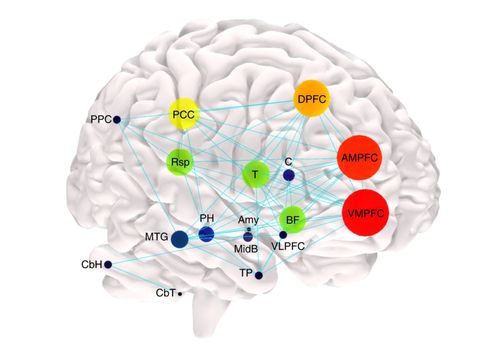
Default Mode Network (DMN)
The DMN is an interconnected group of brain regions involved in introspective functions such as self-reflection and monitoring of internal thoughts. Research suggests that certain psychedelic substances may temporarily alter activity within the DMN, which has been associated with changes in patterns of thinking and perception.⁵ After these experiences, some studies report shifts in the way different brain networks communicate, though findings continue to evolve.
Neuroplasticity
Research suggests that certain experiences may support neuroplasticity — the brain’s ability to form or reorganize connections and pathways. These changes have been associated in studies with shifts in thinking and emotional processing for some individuals.⁶
As researchers learn more about how different brain networks interact, some findings point to increased connectivity between regions following psychedelic-assisted experiences, though results vary and continue to be investigated.
A holistic perspective.
For people living with conditions such as depression, anxiety, and PTSD, many clinicians use a holistic approach that considers biological, psychological, and social factors. Psychedelic-assisted therapy is being explored as one approach that may engage multiple aspects of a person’s experience.
Body.
Research suggests that both legal psychedelics, and investigational compounds such as psilocybin, may influence neuroplasticity— the brain’s ability to form or reorganize connections.⁶ These effects are still being studied, but some findings point to changes that could support therapeutic work for certain individuals.
Mind.
Psychedelic-assisted experiences, in structured therapeutic settings, may allow some people to explore thoughts, emotions, and personal history in a different way. With guidance from trained clinicians, this reflective process can support deeper insight and emotional processing.
Spirit.
Psychedelic substances have a long history of use in various Indigenous and cultural traditions for spiritual or ceremonial purposes. Some people in modern therapeutic or research contexts describe experiences of meaning, connectedness, or expanded perspective, though these responses vary widely.
Psychedelics are entering broader public conversation.
Based on his New York Times #1 selling book, How to Change Your Mind, Author Michael Pollan explores the history, uses, science, and evolving public conversation around psychedelics in this informative docuseries.
Psychedelic-Assisted Therapy at Field Trip.
We offer medically supervised psychedelic-assisted therapy, an approved clinical treatment in Canada, to support therapeutic work for eligible adults. Our approach combines structured psychotherapy with careful medical oversight to help create conditions that may support meaningful therapeutic progress.
Psychedelic-Assisted Psychotherapy: A Paradigm Shift in Psychiatric Research and Development.
Hari, J. Lost Connections: Why you’re depressed and how to find hope. 2018.