


The quick answer: Legal psychedelics and LSD differ most in access: the legal psychedelic medicine is offered in clinics today, while LSD remains largely in research. LSD (lysergic acid diethylamide) targets serotonin and lasts 8 to 10 hours. The legal medicine, an anesthetic, targets glutamate and lasts about 45 to 60 minutes. For treatment now, Field Trip Health offers it across Canada.
If you’ve been reading about LSD therapy, you might be living with depression or anxiety that hasn’t lifted, and wondering whether a psychedelic could reach what other treatments haven’t. That’s a fair question, not a reckless one, and wanting something that works is not a character flaw. This guide to legal psychedelics vs LSD walks you through how each one works, how long each lasts, what the research shows, and what you can actually access in Canada today.
Interest in the therapeutic possibilities of psychedelics has grown exponentially in recent years as landmark clinical studies have demonstrated the effectiveness of psychedelics such as legal low dose anesthetics (psychedelic) and LSD in the treatment of anxiety and depression. You may be wondering how do different psychedelics stack up against one another? Should you try it out, and if so, which should you choose? Let’s take a look at two of the most popular psychedelics, LSD and legal psychedelics, to see how they compare.
What Is LSD? A Brief Introduction to LSD Therapy
LSD, or lysergic acid diethylamide, is an entirely synthetic psychedelic substance that was first produced in 1938 by the Swiss chemist Albert Hofmann. While biking the streets of Bern after ingesting 250 micrograms of a substance he would soon realize had potent psychoactive properties, he began to enjoy the kaleidoscopic colors and euphoria that would come to characterize an LSD trip. In the 1940s and 1950s, researchers began to explore the therapeutic potential of LSD in the psychiatric setting, and in one study, around half of participants living with substance abuse disorders evidenced no relapse after a year of LSD therapy. In response to what was perceived as widespread recreational use, possession of LSD was made illegal in the United States in 1968, and the last FDA-approved study of LSD in psychiatric patients ended in 1980.
However, in recent years, interest has been reignited in the therapeutic potential of LSD to treat anxiety and depression. In a recent study of patients experiencing chronic anxiety, the majority of patients reported a reduction in anxiety (77.8%) and a rise in quality of life (66.7%) with few side effects and no lasting adverse reactions.
A Brief Introduction to Legal Psychedelic Medicine
The only current legal psychedelic medicine was developed in the 20th century as a safer alternative to other surgical anesthetics. Because of its efficacy and innovative safety profile, it was approved by the FDA in 1970 and added to the World Health Organization’s List of Essential Medicines. The discovery of its anti depressive properties in the early 21st century prompted researchers to reconsider the compound’s potential as a clinical tool. Over the past two decades, clinical research has demonstrated that, when administered at doses lower than those used in anesthesia, the medicine works rapidly, effectively, and safely to improve symptoms in people living with depression, anxiety, and post-traumatic stress disorder. Studies have since consistently demonstrated that even a single dose of the psychedelic induces a rapid and sustained antidepressant effect. The first studies of its effectiveness in patients with Treatment-Resistant Depression showed a response rate of over 70% within 24 hours after one dose and a reduction in suicidal thoughts in over 50% of patients immediately after dosing. A recent randomized controlled trial found that the medicine provided a clinically significantly greater reduction in suicidal ideation in depressed patients than SSRIs. Likewise, psychedelic therapy treatment has been shown to reduce feelings of fear and panic in those living with anxiety disorders in both the short-term and long-term without affecting the ability to perform day-to-day tasks.
Field Trip doesn’t offer LSD. Curious whether psychedelic-assisted therapy could help you? No referral is needed. Speak with our Care Team to see if it could be a fit.
What are the Similarities and Differences Between LSD and Low dose Anesthetics?

Mechanism of Action: How LSD and Legal Psychedelics Work
LSD works by altering how the brain responds to serotonin, a neurotransmitter responsible for regulating emotion, mood, and perception of the world. By binding to serotonin receptors, LSD modifies neural pathways in the brain and interrupts the Default Mode Network (DMN), the “information superhighway” between regions of the brain that govern interoception, memory retrieval, imagination, and sense of self.
Low dose anesthetics work by altering the way the brain responds to glutamate and GABA, two important neurotransmitters involved in learning, memory retention, and the brain’s balance between excitation and inhibition. They also increase and reroute neural pathways in the brain, enhancing neuroplasticity, which can rewire the brain’s response to depressive thoughts and anxious triggers, weaken the hold of traumatic memories, and strengthen connections between neurons.
Routes of Administration
Low dose psychedelics can be administered in a number of different ways such as intramuscular (IM) injection, intravenous (IV) infusion, intranasally, and orally. At Field Trip in Canada, we offer treatment in clinic and at home, by IV infusion, intramuscular (IM) injection or lozenges. LSD is generally administered orally.
The Psychedelic Experience: How Long Does LSD Last vs Psychedelic Therapy?
Both LSD and low dose anesthetics produce a psychedelic “trip” that can produce transcendental, insightful experiences that may include visual and physical sensations and can change the way you see yourself and the world around you. An LSD journey lasts significantly longer than an anesthetic journey. While anesthetic journeys average about 45-60 minutes, the effects of LSD may last 8-10 hours. Both often provoke audiovisual synesthesia, altered perception, heightened sensation, and depersonalization. At certain doses, LSD is likely to produce vivid hallucinations and euphoria. It has been suggested that while LSD produces a more intense sensory experience, Legal psychedelics may produce a more intense emotional experience.
Therapeutic Promise: LSD vs Psychedelic-Assisted Therapy
LSD has demonstrated potential as a tool to treat substance abuse disorders and chronic anxiety, and research into its potential as a treatment for treatment-resistant depression and Alzheimer’s Disease are ongoing. Because of its less restrictive legal status, low dose anesthetics have been the subject of extensive clinical research and multiple randomized control trials that demonstrate their ability to reduce symptoms and provide long-term healing for those living with depression, anxiety, and PTSD.
LSD Therapy Research: What It Can and Can’t Tell You Yet
When you’re hoping something will finally help, it’s natural to want a clear winner, so here is the honest picture. The LSD anxiety results above come from a 12-month follow-up of just 10 people living with anxiety linked to a life-threatening illness. None reported lasting adverse reactions, and the researchers concluded that LSD given in a medically supervised psychotherapy setting can be safe and bring lasting benefits, while noting that how it works still needs more study. The early research on the legal medicine was small too. In one randomized, placebo-controlled trial, 71% of the 17 people with treatment-resistant depression who received it met response criteria the next day, and 35% were still responding a week later. Think of studies this size as a first sketch: they show the shape of something real, not the finished picture. They are a reason for hope, not a promise, and a good provider will tell you that plainly.
Side Effects of LSD and Legal Psychedelics
Psychedelics such as LSD and legal ones sometimes produce autonomic side effects such as increases in blood pressure, heart rate, body temperature, and pupil size. Other side effects include headache, dizziness, nausea, and fatigue. These side effects are consistent with other substances that impact neurotransmitters and are generally well-managed when an appropriate dose is administered in a safe and controlled setting. Both LSD and legal psychedelics have a very low toxicity profile and, when managed properly, do not provoke addiction or withdrawal symptoms.
Legal Status in the United States
In the United States, LSD is a Schedule I substance under the Controlled Substances Act, and its use for medicinal, recreational, and research purposes is not legally sanctioned in any state.
In contrast, low dose anesthetics have been used as a legal anesthetic in operating rooms, emergency departments, and battlefields for several decades. Since the 2010s, clinics have been legally using them off-label to treat mental health concerns. They are classified as a Schedule III substance under the Controlled Substances Act.
Is LSD Legal for Therapy in Canada?
If you live in Canada, the rules are different, but LSD is still tightly controlled. It is listed in Schedule III of the Controlled Drugs and Substances Act. Since January 2022, Health Canada’s Special Access Program has again allowed doctors to request restricted drugs, a group the government’s notice describes as including psychedelics such as MDMA, psilocybin and LSD, for patients with serious or life-threatening conditions when conventional treatments have failed, are unsuitable or unavailable. Each request is assessed case by case, is normally only considered when positive Phase II or Phase III trial results exist, and approval isn’t guaranteed. The legal psychedelic medicine is a different story: you can start psychedelic-assisted therapy with it at Field Trip clinics across Canada, or through our at-home program, with no referral needed.
Is Psychedelic-Assisted Therapy Right for Me?
Research findings continue to support the safety and efficacy of psychedelic therapy, and people living with anxiety, depression, and PTSD have expressed increased interest in adding psychedelics to their therapeutic toolbox. Are you wondering if it’s time to try psychedelic therapy for yourself? The science suggests that both LSD and legal psychedelics may be effective tools to relieve the symptoms of chronic mental health challenges. However, there are key differences in the mechanisms of action, legality, and psychoactive experience of these two substances that affect accessibility and therapeutic outcomes. The bottom line is that the safest and most effective place to begin your psychedelic journey is in consultation with an experienced provider committed to ensuring your health, comfort, and target outcomes in a safe, controlled setting. Field Trip is a great place to start.
When Talk Therapy Isn’t Enough: Where Psychedelic-Assisted Therapy Fits
If you’ve already tried talk therapy or medication, you might feel like you’ve run out of road. You haven’t. Talk therapy and medication are recommended first-line treatments, and at Field Trip many people start there: talk therapy costs $180 a session in person or virtual, needs no referral, usually starts within a week and is often claimable on extended health benefits. Good therapy can feel like peeling back the layers of an onion, getting closer to the root of what hurts. If you can’t get where you want to go with therapy alone, that is not a personal failure. Your therapist helps you decide whether psychedelic-assisted therapy makes sense, our Medical Team assesses and approves you, and a preparation session comes first. The same therapist stays with you, so you never have to retell your story or rebuild trust with someone new. There’s no wrong way to start.
Questions to Ask a Provider About LSD or Psychedelic-Assisted Therapy
Whichever path you’re weighing, it helps to walk into your first conversation with a few questions ready. Here are the ones worth asking, with Field Trip’s answers:
- Is this treatment legal where I live? LSD is Schedule I in the United States and Schedule III in Canada, so LSD therapy is largely limited to research and case-by-case special access. Field Trip doesn’t offer LSD; our psychedelic-assisted therapy uses a legal medicine.
- Do I need a referral, and am I a good fit? You don’t need a referral. Our Medical Team assesses and approves each person, and you can read about what can rule someone out of psychedelic therapy before you call.
- What happens before my first treatment session? A preparation session always comes first.
- Will I keep the same therapist? Yes. The therapist you start with in talk therapy continues with you into psychedelic-assisted therapy.
- How is the medicine given, and where? By IV infusion, intramuscular (IM) injection or lozenges, in clinic or at home. The at-home program is for people who live more than an hour from a clinic.
- What if I’m not ready for a psychedelic? Start with talk therapy, or call 1-888-838-6004 to talk it through first.
You don’t need to have it all figured out before you reach out. Asking these questions is already a step toward feeling more like yourself.
Legal Psychedelics vs. LSD: Frequently Asked Questions
Legal psychedelic medicine acts on glutamate and GABA in the brain, while LSD binds to serotonin receptors and disrupts the Default Mode Network. The medicine has also been studied more widely, including randomized controlled trials in depression, anxiety and PTSD.
The effects of LSD may last 8-10 hours, while the medicine used in psychedelic-assisted therapy produces an experience that averages about 45-60 minutes. At Field Trip, a preparation session always comes before any treatment session.
LSD may help with anxiety and is being studied for depression: in one chronic anxiety study, 77.8% of patients reported less anxiety and 66.7% better quality of life. The legal medicine has more evidence so far, including a response rate over 70% within 24 hours of a single dose in early treatment-resistant depression studies.
Both LSD and the medicine used in psychedelic-assisted therapy can raise blood pressure, heart rate, body temperature and pupil size, and may cause headache, dizziness, nausea or fatigue. Both have a very low toxicity profile and, when managed properly in a controlled setting, are generally not associated with addiction or withdrawal.
In the United States, LSD is a Schedule I substance, and its medical use is not legally sanctioned in any state. The medicine used in psychedelic-assisted therapy has been FDA approved since 1970, is on the WHO List of Essential Medicines, and clinics have used it legally off-label for mental health since the 2010s.
No, Field Trip does not offer LSD; it offers psychedelic-assisted therapy with a legal medicine at clinics across Canada and through an at-home program. No referral is needed: our Medical Team assesses each patient, a preparation session comes first, and the same therapist can continue with you from talk therapy, which costs $180 a session.
Does Field Trip Health Have a Psychedelic Therapy Clinic Near Me?
Field Trip Health has clinics across Canada in Toronto, Montreal, Vancouver, Ottawa, Hamilton, Kitchener-Waterloo, Thunder Bay, and Sault Ste. Marie. If you are ready to begin your journey toward healing and build your personalized treatment plan, then book a free discovery call with one of our team members.
Curious about psychedelic-assisted therapy?
No referral is needed. Speak with our Care Team to ask your questions and see whether psychedelic-assisted therapy could be a fit for you.
Prefer to talk first? Call 1-888-838-6004 or contact us. Clinics in Ontario, BC and Quebec, plus online sessions across Ontario, BC and Quebec.
About the Author
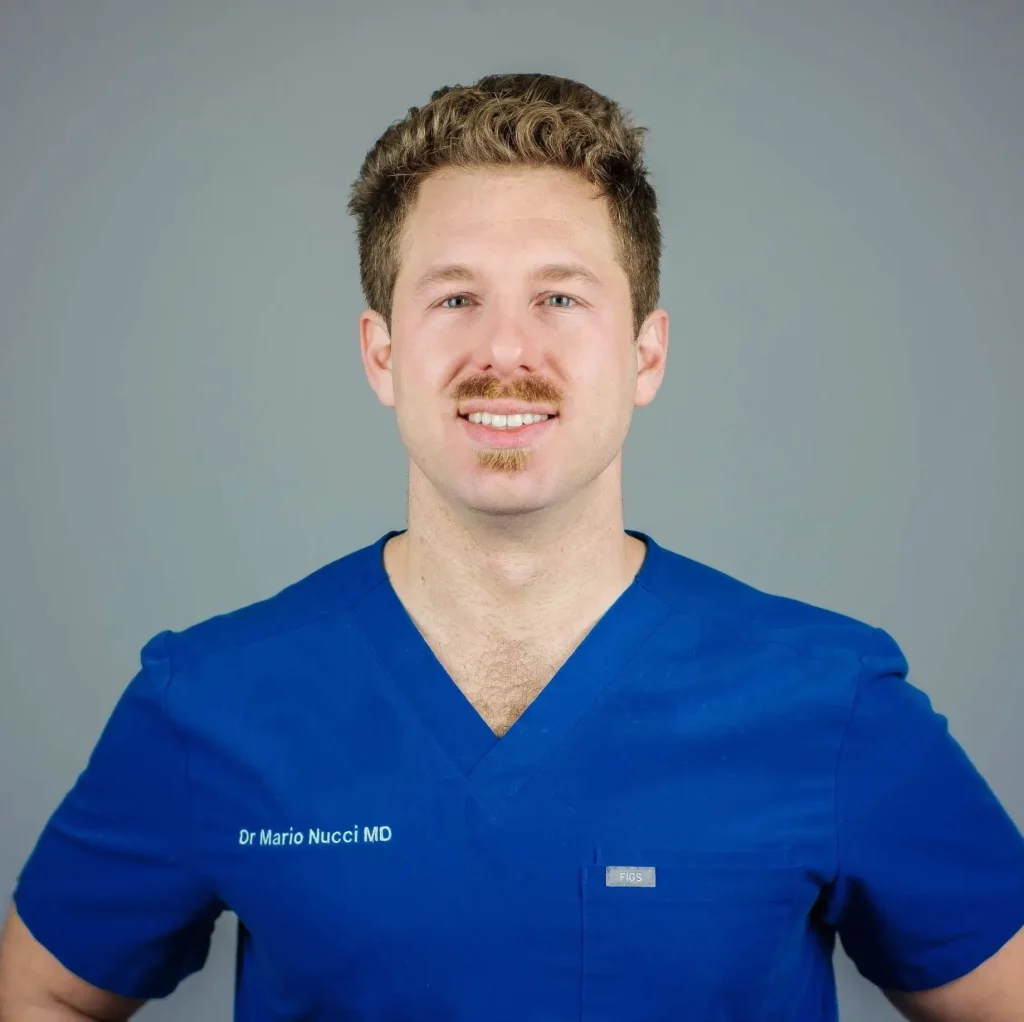
Dr. Mario Nucci MD CCFP is a licensed Family Physician with a passion for mental health and the development of new therapies. He is actively engaged in research with a faculty associate professorship at Northern Ontario School of Medicine, and research collaborations with the University of Ottawa, University of Calgary, Lakehead University, Concordia University and Vancouver Island University.
Dr. Nucci is the founder of Bay and Algoma Health Centre in 2019, a walk-in and addiction medicine clinic. He founded the Canadian Centre for Psychedelic Healing in 2019, now operating as Field Trip Health, providing cutting edge mental health care, including ketamine therapy, in Toronto, Montreal, Vancouver, Ottawa, Hamilton, Kitchener-Waterloo, Thunder Bay and Sault Ste. Marie.
 EN
 FR