


The quick answer: A psychiatrist is a medical doctor who specializes in mental health and can prescribe medication. In Canada, provincial health plans cover their visits, usually with a referral. A psychologist has a doctorate in psychology, treats with talk therapy and psychological testing, can’t prescribe, and is usually paid privately or through work benefits.
If you’re struggling with your mental health and trying to figure out who to call, the titles can blur together. Psychologist, psychiatrist, psychotherapist, therapist: they all sound like they do the same job. They don’t, and in Canada the differences affect what you’ll pay, whether you need a referral, and how long you might wait.
This guide explains the difference between a psychologist and a psychiatrist in plain language, with the rules for Ontario, BC and Quebec. It covers training, prescribing, diagnosis, cost and coverage, and how to decide who to see first. At Field Trip, we work alongside both, so we see every day how much easier care gets once people know where to start.
In this guide:
- Psychologist vs psychiatrist at a glance
- What is a psychiatrist?
- What is a psychologist?
- Can a psychologist prescribe medication?
- Cost and coverage in Ontario, BC and Quebec
- Should you see a psychologist or a psychiatrist?
- How to find and check a psychiatrist or psychologist
- Questions people ask
Need help right now? If you’re in crisis or thinking about suicide, you don’t need a referral or an appointment. Call or text 9-8-8 for support 24 hours a day, 7 days a week, in English or French, or call 911 or go to your nearest emergency department.
Psychologist vs psychiatrist at a glance
The short version, side by side. We’ve added psychotherapists and counsellors too, since they’re the third title most people come across:
| Psychiatrist | Psychologist | Psychotherapist or counsellor | |
|---|---|---|---|
| Training | Medical degree, then a 5-year psychiatry residency | Doctorate in psychology (in Ontario, BC and Quebec) | Usually a master’s-level program, plus supervised practice |
| Medical doctor? | Yes | No, though those with a doctorate can use the title “Dr.” | No |
| Can prescribe medication? | Yes | No | No |
| Can diagnose? | Yes | Yes | Not in Ontario |
| Main tools | Medical assessment, medication, sometimes psychotherapy | Psychotherapy, psychological assessment and testing | Talk therapy |
| Referral needed? | Usually, from a family doctor or nurse practitioner | No, you can book directly | No, you can book directly |
| Covered by OHIP, MSP or RAMQ? | Yes | Not in private practice; often covered by extended health benefits | Not in private practice; often covered by extended health benefits |
| Regulated by | Provincial college of physicians and surgeons | Provincial regulatory college for psychologists | Depends on the province (see our psychotherapist guide) |

What is a psychiatrist?
A psychiatrist is a medical doctor who has specialized in mental health. As CMHA Ontario puts it, a psychiatrist is “a medical doctor with a specialty in the diagnosis and treatment of mental illnesses.”
Psychiatrist training in Canada
After medical school, a psychiatrist completes a 5-year psychiatry residency accredited by the Royal College of Physicians and Surgeons of Canada and passes the Royal College certification exam. That’s roughly nine years of training after an undergraduate degree, much of it in hospitals, emergency departments and clinics.
What a psychiatrist does
- Medical assessment. Because they’re physicians, psychiatrists can look at how physical health, other medications and mental health interact.
- Diagnosis. They diagnose mental health conditions, from depression and anxiety to bipolar disorder and schizophrenia.
- Medication. They can prescribe and adjust medication. The Canadian Psychological Association notes that psychiatrists “often use medication to help their clients manage their mental disorders.”
- Sometimes therapy. “Some psychiatrists also do psychotherapy much like psychologists do,” the CPA adds, though many focus on assessment and medication.
In practice, many people see a psychiatrist for a consultation and occasional follow-ups, while doing regular talk therapy with someone else. A psychiatrist may also write recommendations back to your family doctor, who then manages your care day to day.
Patients often think a psychiatrist only prescribes medication. In fact, psychiatrists can give a diagnosis, build a treatment plan that may include medication, lifestyle and psychotherapy, and even provide psychotherapy themselves.
What is a psychologist?
A psychologist is a regulated mental health professional trained in how people think, feel and behave. The CPA describes a practising psychologist as someone “trained to assess and diagnose problems in thinking, feeling and behaviour,” who helps people manage those problems with psychotherapy.
Psychologist training in Canada
In Ontario, BC and Quebec, you need a doctoral degree in psychology to use the title “psychologist”. That usually means a PhD or PsyD, including supervised clinical training and an internship, followed by registration exams. Psychologists with a doctorate can use the title “Dr.”, but they aren’t medical doctors. The rule isn’t the same everywhere: in Newfoundland and Labrador, Nova Scotia, Saskatchewan, Alberta, the Northwest Territories and Nunavut, a master’s degree is enough to register as a psychologist.
- Ontario: psychologists hold a doctorate. Ontario also has psychological associates, who hold a master’s degree in psychology plus years of supervised experience. Both are regulated by the College of Psychologists and Behaviour Analysts of Ontario, which took that name in 2024.
- BC: since June 2024, psychologists are regulated by the College of Health and Care Professionals of BC.
- Quebec: the Ordre des psychologues du Québec has required a doctorate since 2006. Psychologists who graduated with a master’s before then can still practise.
What a psychologist does

- Psychotherapy. Regular talk therapy sessions using approaches such as cognitive behavioural therapy (CBT), acceptance and commitment therapy (ACT) and others.
- Psychological assessment and testing. The CPA notes a psychologist is uniquely trained to use psychological tests to help with assessment and diagnosis. This is the main thing psychologists do that most other therapists don’t, for example assessments for ADHD, learning disabilities or memory concerns.
- Diagnosis. In Ontario, communicating a diagnosis is a legally restricted act, and psychologists are authorized to do it. In Quebec, the Order lists diagnosing mental disorders as part of a psychologist’s work.
Can a psychologist prescribe medication in Canada?
No. As HealthLinkBC puts it, “In Canada, psychologists do not prescribe medicine.” If a psychologist thinks medication could help, they’ll suggest you talk to a physician. The Quebec Order lists this as part of the job: recommending that someone consult a physician when medication may be needed.
You may have seen headlines about this changing. In 2025, Ontario’s Ministry of Health consulted on letting some psychologists with advanced training prescribe certain mental health medications. As of late 2026, the College says these changes are not in place, and there’s no timeline for if or when they will be.
You don’t always need a psychiatrist for medication, either. Family doctors and nurse practitioners prescribe many common mental health medications, such as antidepressants. A psychiatrist is most useful when the picture is complex, when the first treatments haven’t worked, or when a diagnosis is unclear.
Can both of them diagnose?
Yes. Psychiatrists and psychologists can both diagnose mental health conditions. The difference is in how they get there and what comes next. A psychiatrist’s assessment is medical and often leads to a medication plan. A psychologist’s assessment often uses standardized testing, and leads to therapy, recommendations, or both.
Cost and coverage: Ontario, BC and Quebec
This is the difference most people notice first. According to the CPA, psychiatrists’ services are covered by provincial health plans whether they work in a hospital, a clinic or a private office. Psychologists in private practice aren’t covered by provincial plans. Their services are covered only when the psychologist works in a publicly funded setting, such as a hospital, a community clinic or a school, where wait lists are often long.
- Ontario: OHIP covers psychiatrist visits, usually with a referral from a family doctor or nurse practitioner. OHIP doesn’t cover private psychologists. The Ontario Psychological Association’s 2024 fee survey found psychologists most commonly charge $250 an hour for therapy, with two-thirds charging between $211 and $275.
- BC: MSP covers psychiatrists when you’re referred by a physician. MSP doesn’t cover “the services of counsellors or psychologists.”
- Quebec: as in other provinces, psychiatrists’ services are covered by the provincial health plan. The Ordre des psychologues du Québec notes that psychology consultations in the public health and education systems are free, and that most group insurance plans reimburse at least part of private fees.
| Province | Psychiatrist | Psychologist in private practice | Typical psychologist fee |
|---|---|---|---|
| Ontario | Covered by OHIP, with a referral from a family doctor or nurse practitioner | Not covered by OHIP; often covered by extended health benefits | Most commonly $250 an hour (OPA, 2024) |
| BC | Covered by MSP, with a referral from a physician | Not covered by MSP; often covered by extended health benefits | Set by each psychologist |
| Quebec | Covered by RAMQ | Not covered; free in the public health and education systems | 82% charge $120 to $180 an hour (OPQ, 2023) |
| Other provinces | Covered by the provincial health plan | Not covered by the provincial plan | Set by each psychologist |
Many workplace extended health plans cover some psychology sessions each year, up to a dollar limit. Check your plan’s booklet for “psychologist”, and note that some plans list psychologists, psychotherapists and social workers separately.
Do you need a referral?
For a psychiatrist, almost always. CMHA Ontario notes you usually need a referral from your family doctor, and in Ontario a nurse practitioner can also refer you. In BC, HeretoHelp notes you will almost always need another doctor’s referral.
For a psychologist, no. You can contact a psychologist directly and book an appointment yourself. Some benefits plans ask for a doctor’s note before they’ll reimburse, so check yours first.
What about wait times?
Seeing a psychiatrist through the public system is covered, but it isn’t always quick. Depending on where you live, a referral can mean a wait of weeks or months. Private psychologists and psychotherapists usually have shorter waits, because you’re paying directly. Many people start therapy while they wait for a psychiatry appointment, so they aren’t waiting with no support at all.
Not sure where to start? Speak with our Care Team to see whether one of our services could be a fit for you.
Should you see a psychologist or a psychiatrist?
It depends on what you need right now. Here’s a simple way to think about it:
A psychiatrist may be the better first step if:
- you think medication might help, or your current medication isn’t working
- your symptoms are severe or make it hard to get through the day
- you’ve tried treatment for depression or anxiety and it hasn’t helped enough
- you have symptoms such as extreme mood swings, or hearing or seeing things others don’t
- your family doctor would like a specialist’s opinion on a diagnosis
A psychologist may be the better first step if:
- you want regular talk therapy to work through anxiety, low mood, stress, grief or trauma
- you want a formal assessment, such as for ADHD or a learning disability
- you’d prefer not to start with medication
- you have benefits that cover psychology and want to start soon, without a referral
If you mainly want talk therapy, a registered psychotherapist, social worker or clinical counsellor may also be a good fit, and is often covered by benefits too. We explain how they compare in psychologist vs psychotherapist: what’s the difference.
You don’t have to choose just one
Often the best care uses both. The Ontario Psychological Association and CPA note that someone might consult a physician about medication while seeing a psychologist for psychotherapy. A common pattern is a psychiatrist who assesses you and sets the medication plan, a family doctor who manages it, and a therapist you see regularly.
Medication and therapy can work great together, and studies show more benefit from both together than from either alone. As a family doctor, I’d add that your family doctor often knows your history most thoroughly: what’s been tried, your medical background, and how well you’re able to stick with a treatment program. In general, more providers working together can create a holistic, comprehensive treatment approach and achieve the best outcomes for patients.
If you’re in crisis or thinking about suicide, don’t wait for a referral: call or text 9-8-8, or call 911.
How to find and check a psychiatrist or psychologist
To see a psychiatrist:
- Ask your family doctor or nurse practitioner for a referral. Tell them what you’ve tried so far and what isn’t working, so the referral explains why you need a specialist.
- No family doctor? A physician at a walk-in or virtual clinic may be able to refer you.
- Ask your referring provider about the expected wait, and whether there’s a shorter route, such as a hospital outpatient program or a clinic that accepts referrals sooner.
- Start talk therapy while you wait if you can, so you have support in the meantime.
- At the appointment, describe the full picture: every symptom, and how it affects your life. In my experience, most doctors will ask the right questions to reach a proper diagnosis and treatment plan.
To see a psychologist:
- Contact a psychologist directly. You don’t need a referral.
- Check your benefits first: which titles are covered, how much per year, and whether a doctor’s note is needed.
- Ask whether they work with your concern, which approaches they use, and whether they offer formal assessments if you need one.
Check their registration. Every psychiatrist is listed on their provincial physicians’ college register, such as the CPSO physician register in Ontario, the College of Physicians and Surgeons of BC or the Collège des médecins du Québec. Psychologists are listed by the College of Psychologists and Behaviour Analysts of Ontario, the College of Health and Care Professionals of BC or the Ordre des psychologues du Québec.
Online appointments. Many psychiatrists and psychologists offer video appointments, which can shorten travel and sometimes waits. Make sure they’re registered in the province where you live.
Psychiatry, psychology and psychotherapy at Field Trip
At Field Trip, you can find several kinds of mental health care under one roof:
- Psychiatry in our Ontario and BC clinic cities. A referral is required from a family doctor, specialist or nurse practitioner, and the consultation is covered by OHIP in Ontario and MSP in BC. A referral doesn’t guarantee an appointment: we start with a discovery call to see whether there’s a pathway forward for you, since most of our other services are private pay. We also accept referrals from outside psychiatrists, and we can work with your own psychiatrist in a shared care plan.
- Psychology in Quebec, at $180 for a 50-minute appointment.
- Psychotherapy and counselling with registered psychotherapists, social workers and clinical counsellors, in person and online across Ontario, BC and Quebec. It’s also $180 for a 50-minute session, no referral is needed, and it’s often claimable on extended health benefits.
If you’ve tried talk therapy and medication and still aren’t where you want to be, our clinicians can also talk with you about whether psychedelic-assisted therapy could be a fit. You can read more about how to qualify and why talk therapy matters along the way. Doctors and nurse practitioners can send a referral directly.
Questions people ask
A psychologist with a doctorate can use the title Dr., but is not a medical doctor. In Ontario, BC and Quebec, psychologists need a doctoral degree in psychology. Psychiatrists are medical doctors who completed medical school and a 5-year psychiatry residency.
No, psychologists cannot prescribe medication in Canada. Ontario consulted in 2025 on letting some psychologists with advanced training prescribe certain medications, but those changes are not in place. Psychiatrists, family doctors and nurse practitioners can prescribe.
No, OHIP does not cover psychologists in private practice. Psychologists are covered only when they work in publicly funded settings such as hospitals or community clinics. Many workplace extended health benefits cover some private psychology sessions each year.
Yes, you usually need a referral from a family doctor or nurse practitioner to see a psychiatrist in Ontario, and OHIP then covers the visits. You do not need a referral to book a psychologist or a registered psychotherapist.
It depends on what you need. A psychiatrist is usually best if you may need medication or your symptoms are severe or complex. A psychologist is a good fit for regular talk therapy or a formal assessment, such as for ADHD. Many people see both.
Yes, psychologists can assess and diagnose mental health conditions, including ADHD and depression, and often use standardized psychological testing to do it. If medication is recommended, you would need a physician or nurse practitioner to prescribe it.
Some do. Psychiatrists often focus on assessment and medication, but some also provide psychotherapy, much like psychologists do. Many people see a psychiatrist for a consultation and follow-ups while doing regular talk therapy with a psychologist, psychotherapist or counsellor.
Yes. Family doctors and nurse practitioners prescribe many common mental health medications, including antidepressants. A psychiatrist is most helpful when the diagnosis is unclear, symptoms are severe, or the first treatments have not worked.
A psychiatrist is a medical doctor who can diagnose and prescribe. A psychologist has a doctorate in psychology and can diagnose, test and provide therapy, but cannot prescribe. A psychotherapist usually has master’s-level training focused on talk therapy and, in Ontario, cannot give a diagnosis.
Yes, many offer video appointments. Make sure the person is registered in the province where you live. For a psychiatrist, you will still usually need a referral, so ask your referring provider whether a virtual consultation is an option.
Not sure who to see?
Speak with our Care Team to talk through what you’re looking for and see which kind of care could be a fit for you. See us in person in Toronto, Vancouver, Ottawa, Montreal, Hamilton, Kitchener-Waterloo, Thunder Bay and Sault Ste. Marie, or online across Ontario, BC and Quebec.
Prefer to talk first? Call 1-888-838-6004 or contact us.
Sources
- Royal College of Physicians and Surgeons of Canada, Specialty Training Requirements in Psychiatry
- Canadian Psychological Association, What is a psychologist?
- Canadian Psychological Association, Deciding to see a psychologist: what to expect
- CMHA Ontario, Getting help
- College of Psychologists and Behaviour Analysts of Ontario, FAQs
- College of Psychologists and Behaviour Analysts of Ontario, The controlled act of communicating a diagnosis
- College of Psychologists and Behaviour Analysts of Ontario, Ministry of Health consultations on psychologists’ scope of practice (2025)
- Government of BC, New College of Health and Care Professionals of BC (2024)
- Government of BC, Services not covered by MSP
- Ordre des psychologues du Québec, What is a psychologist?
- Ordre des psychologues du Québec, How much does it cost?
- HealthLinkBC, Psychologist
- Job Bank, Government of Canada, Psychologists: requirements by province
- Ontario Psychological Association, 2024 Ontario Psychological Services Report: fee survey
- HeretoHelp (CMHA BC), The difference between a psychiatrist and a registered psychologist
- Government of Canada, Get help with mental health (9-8-8)
- College of Physicians and Surgeons of Ontario, Physician register
About the Author
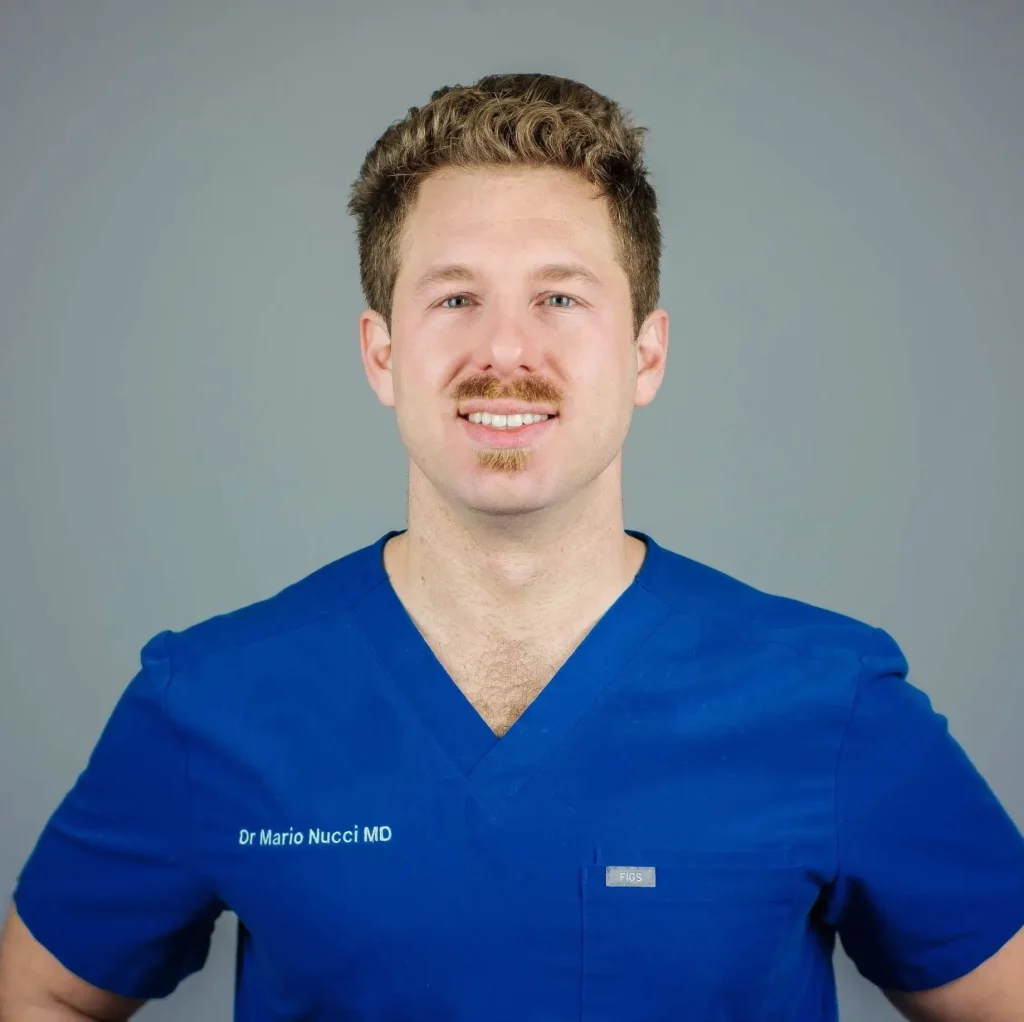
Dr. Mario Nucci MD CCFP is a licensed Family Physician with a passion for mental health and the development of new therapies. He is actively engaged in research with a faculty associate professorship at Northern Ontario School of Medicine, and research collaborations with the University of Ottawa, University of Calgary, Lakehead University, Concordia University and Vancouver Island University.
Dr. Nucci is the founder of Bay and Algoma Health Centre in 2019, a walk-in and addiction medicine clinic. He founded the Canadian Centre for Psychedelic Healing in 2019, now operating as Field Trip Health, providing cutting edge mental health care, including ketamine therapy, in Toronto, Montreal, Vancouver, Ottawa, Hamilton, Kitchener-Waterloo, Thunder Bay and Sault Ste. Marie.
If you are in crisis or thinking about suicide, call or text 9-8-8 any time, or call 911.
 EN
 FR